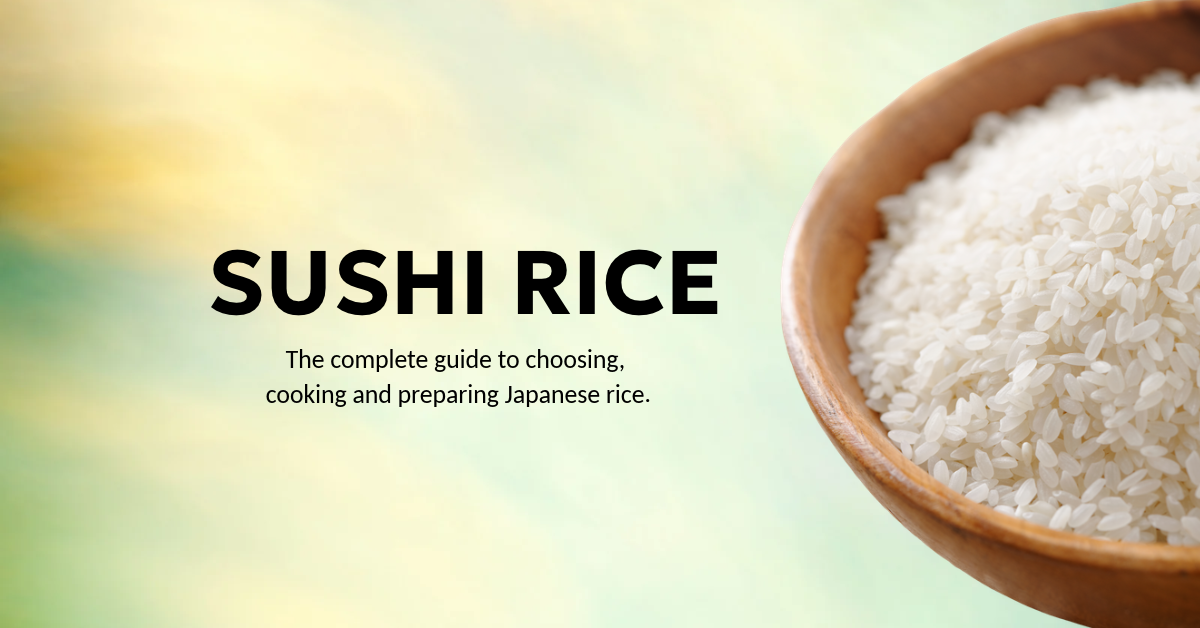
What Is Sushi Rice? The Complete Guide to Choosing, Cooking and Preparing Japanese Rice.
What Is Sushi Rice? The Complete Guide to Choosing, Cooking and Preparing Japanese Rice
What Is Sushi Rice?
Sushi rice, known in Japanese as shari or sumeshi when seasoned, is a specially prepared Japanese short-grain rice used as the foundation of traditional sushi.
Unlike ordinary steamed rice, sushi rice is prepared with a specific cooking technique and seasoned with a mixture of rice vinegar, sugar, and salt. This gives it its characteristic slightly tangy, mildly sweet flavor and balanced taste.
One of its most important characteristics is its sticky texture. The rice grains hold together easily without becoming mushy, making them ideal for shaping sushi rolls, nigiri, and other traditional Japanese dishes.
Sushi rice is an essential component of Japanese cuisine. Whether you are preparing maki rolls, California rolls, nigiri, or temaki, choosing the right rice and preparing it correctly makes a significant difference to the final result.
What Type of Rice Is Best for Sushi?
The best rice for sushi is Japanese short-grain rice, also known as Japonica rice.
This variety has a naturally higher starch content than many long-grain rice varieties, which gives it the soft, slightly sticky texture needed for sushi preparation.
Japanese short-grain rice is characterized by:
- Short, rounded grains
- A soft and slightly chewy texture
- Natural stickiness after cooking
- A delicate, mildly sweet flavor
- The ability to hold its shape when formed into sushi
These characteristics make it ideal for preparing different types of sushi, including maki, nigiri, and temaki.
Japanese Short-Grain Rice (Japonica)
Traditional Japanese sushi rice is generally made with varieties of Uruchimai, the everyday short-grain rice used in Japanese cooking.
Some well-known Japanese rice varieties include:
- Koshihikari: One of Japan's most popular premium rice varieties, known for its balanced sweetness, soft texture, and excellent stickiness.
- Akita Komachi: A Japanese rice variety with a delicate flavor and pleasantly chewy texture.
- Hitomebore: Appreciated for its mild sweetness, softness, and versatility.
These varieties are suitable for sushi because they provide the right balance of texture, moisture, and flavor.
Can You Use Regular Rice for Sushi?
Not all rice varieties are suitable for making sushi.
The most important factor is the grain type. Sushi requires rice that becomes slightly sticky after cooking so that the grains can hold together when shaped.
Long-grain varieties such as Basmati and Jasmine rice are generally not suitable because they remain more separate and fluffy after cooking.
Similarly, brown rice can be used in certain alternative sushi recipes, but its firmer texture and stronger flavor produce a different result from traditional sushi.
For authentic homemade sushi, Japanese short-grain rice is the best choice.
Important: Do not confuse Japanese short-grain sushi rice with glutinous rice, also known as sticky rice or sweet rice. Although both become sticky after cooking, they are different rice varieties. Glutinous rice is primarily used for dishes such as mochi and certain Asian desserts, rather than traditional sushi.
Why Is Sushi Rice Sticky?
The characteristic stickiness of sushi rice comes mainly from its starch composition.
Rice contains two main types of starch:
- Amylose: Helps rice grains remain separate and firm after cooking.
- Amylopectin: Contributes to the soft, sticky texture of cooked rice.
Japanese short-grain rice generally contains a relatively high proportion of amylopectin, which helps the grains stick together naturally when cooked.
This is exactly what makes it suitable for sushi preparation.
However, the correct texture also depends on how the rice is prepared. Washing the rice before cooking removes excess surface starch, while using the right amount of water and allowing the rice to rest after cooking helps achieve a balanced texture.
The goal is to create rice that is moist and slightly sticky, but not wet, mushy, or excessively clumped.
What Does Sushi Rice Taste Like?
Properly prepared sushi rice has a delicate and well-balanced flavor.
Its taste combines:
- Mild natural sweetness from the rice
- Gentle acidity from rice vinegar
- A subtle salty note
- A soft, slightly chewy texture
The vinegar seasoning is particularly important because it gives sushi rice its distinctive taste and balances the flavors of ingredients such as raw fish, seafood, vegetables, and seaweed.
Unlike plain steamed rice, seasoned sushi rice is designed to complement the other ingredients without overpowering them.
Why Is Sushi Rice So Important in Japanese Cuisine?
Rice has played a central role in Japanese food culture for centuries, and sushi is one of the best-known examples of its importance.
Although sushi is often associated with raw fish, rice is actually its essential foundation. The quality, texture, temperature, and seasoning of the rice all influence the final taste and structure of the dish.
In traditional Japanese sushi preparation, considerable attention is given to the rice itself. Professional sushi chefs carefully select the variety, wash it, cook it, season it, and handle it to achieve the ideal consistency.
Whether used for delicate nigiri, classic maki rolls, or modern sushi creations, properly prepared sushi rice is what brings all the ingredients together.
How to Wash Sushi Rice Properly
Washing sushi rice before cooking is one of the most important steps in achieving the right texture.
Japanese short-grain rice contains starch on its surface, which can make the cooked rice excessively sticky or mushy if it is not washed properly.
The goal is to remove excess surface starch while keeping the natural characteristics of the rice.
Follow these steps:
- Place the desired amount of rice in a large bowl.
- Add cold water and gently swirl the rice with your hand.
- Drain the cloudy water.
- Repeat the process approximately 3–5 times, until the water becomes considerably clearer.
- Drain the rice thoroughly before cooking.
There is no need to rub the grains aggressively. Gentle washing is enough to remove excess starch without damaging them.
Important: After washing, many Japanese cooking methods recommend soaking the rice in clean water for approximately 20–30 minutes. This helps the grains absorb water more evenly and cook consistently.
How Much Water Do You Need to Cook Sushi Rice?
Using the correct amount of water is essential for achieving the characteristic soft and slightly sticky texture of sushi rice.
A common starting ratio for Japanese short-grain rice cooked in a saucepan is:
1 part rice to approximately 1.1–1.2 parts water by volume.
The exact amount may vary depending on the rice variety, soaking time, cooking method, and manufacturer's instructions.
Here is a practical starting guide:
Uncooked RiceWater
- 1 cup (200 ml)220–240 ml
- 2 cups (400 ml)440–480 ml
- 3 cups (600 ml)660–720 ml
- 4 cups (800 ml)880–960 ml
For the best results, always follow the cooking instructions provided with your specific rice, as different varieties may require slightly different water quantities.
How to Cook Sushi Rice Step by Step
Cooking sushi rice correctly does not require complicated equipment. You can prepare it using a traditional saucepan with a tight-fitting lid or an electric rice cooker.
Method 1: Cooking Sushi Rice in a Saucepan
Ingredients:
2 cups Japanese short-grain sushi rice
Approximately 440–480 ml water, adjusted according to the rice instructions
A saucepan with a tight-fitting lid
Instructions:
Step 1: Wash the rice
Rinse the rice several times with cold water until the water becomes considerably clearer. Drain thoroughly.
Step 2: Soak the rice
Transfer the washed rice to the saucepan and add the measured water. Allow it to soak for approximately 20–30 minutes.
Step 3: Bring to a boil
Place the saucepan over medium-high heat with the lid on. Bring the water to a boil.
Step 4: Reduce the heat
Once boiling, reduce the heat to low and cook for approximately 12–15 minutes, keeping the lid closed.
Step 5: Let the rice rest
Turn off the heat and leave the saucepan covered for another 10–15 minutes. This allows the remaining moisture to distribute evenly throughout the rice.
Step 6: Fluff gently
Transfer the rice to a wide bowl or traditional wooden sushi rice tub (hangiri). Gently separate the grains using a rice paddle, taking care not to crush them.
Your rice is now ready to be seasoned.
Important: Avoid lifting the lid during cooking. Releasing steam can affect the cooking process and result in unevenly cooked rice.
Method 2: Cooking Sushi Rice in a Rice Cooker
A rice cooker is one of the easiest and most reliable ways to prepare sushi rice at home.
It maintains a consistent cooking temperature and automatically adjusts the cooking time according to the selected program.
Instructions:
- Wash the rice thoroughly using cold water.
- Drain and transfer it to the rice cooker.
- Add the appropriate amount of water according to the rice variety and rice cooker's instructions.
- Close the lid and select the standard white rice or sushi rice program, if available.
- Once cooking is complete, allow the rice to rest for approximately 10 minutes, or follow the manufacturer's instructions.
- Transfer the rice to a suitable bowl and prepare it for seasoning.
A rice cooker is particularly useful when preparing sushi regularly, as it helps produce consistent results with minimal effort.
How to Make Sushi Vinegar (Sushi-zu)
One of the defining characteristics of sushi rice is its seasoning.
Traditional Japanese sushi rice is mixed with a special vinegar seasoning known as Sushi-zu, made from rice vinegar, sugar, and salt.
This mixture gives the rice its characteristic balance of sweetness, acidity, and saltiness.
Ingredients for approximately 2 cups of uncooked rice:
- 60 ml rice vinegar
- 2 tablespoons sugar
- 1 teaspoon salt
Instructions:
- Add the rice vinegar, sugar, and salt to a small saucepan.
- Heat gently over low heat.
- Stir until the sugar and salt dissolve completely.
- Remove from the heat and allow the mixture to cool slightly.
- Avoid bringing the vinegar mixture to a boil.
You can also find ready-made sushi vinegar, which is a convenient alternative when preparing sushi at home.
How to Season Sushi Rice Correctly
Once the rice has finished cooking, it is time to add the sushi vinegar.
This step is just as important as the cooking process itself.
Follow these instructions:
- Transfer the freshly cooked rice to a wide, shallow bowl or a traditional wooden hangiri.
- Pour the prepared sushi vinegar evenly over the rice.
- Use a rice paddle to gently cut and fold the rice, rather than stirring it in a circular motion.
- Continue mixing until the seasoning is distributed evenly.
- If possible, gently fan the rice while mixing to help it cool and develop a slightly glossy appearance.
The rice should remain moist, shiny, and slightly sticky without becoming mushy.
Important: Do not mash or aggressively stir the rice. This can break the grains and create an unpleasant texture.
What Temperature Should Sushi Rice Be?
Sushi rice is traditionally prepared and served close to room temperature.
After seasoning, allow the rice to cool naturally until it reaches a comfortable room temperature before assembling your sushi.
It should not be completely cold, as refrigeration can make the rice firm and affect its texture.
For traditional sushi preparation, properly cooked and seasoned rice is generally handled while still slightly warm or at room temperature.
How Should Sushi Rice Be Stored?
Sushi rice is best prepared fresh, as its texture and flavor are at their best shortly after cooking and seasoning.
If you need to keep it for a short period:
- Keep it covered with a clean, slightly damp cloth.
- Store it at a suitable room temperature for immediate preparation.
- Avoid leaving cooked rice at room temperature for extended periods.
- Do not leave cooked rice in a warm environment for several hours.
Food safety is especially important with cooked rice. Uncooked rice can contain Bacillus cereus spores that may survive cooking. Cooked rice should be cooled promptly, refrigerated within 1–2 hours, and kept at 5°C or below. Refrigerated rice should ideally be consumed within 24 hours and reheated thoroughly if it is going to be eaten hot.
For sushi rice intended for raw fish or other sushi preparations, it is best to prepare only the quantity you need.
Common Mistakes When Cooking Sushi Rice
Even small mistakes can affect the texture and quality of sushi rice. Here are some of the most common problems and how to avoid them.
1. Using the Wrong Type of Rice
Long-grain varieties such as Basmati or Jasmine do not have the same starch composition as Japanese short-grain rice.
They remain relatively separate after cooking and do not provide the texture needed for traditional sushi.
Solution: Always choose Japanese short-grain rice specifically intended for sushi.
2. Not Washing the Rice Properly
Excess surface starch can make the rice overly sticky and heavy.
Solution: Wash the rice several times with cold water before cooking.
3. Adding Too Much Water
Excess water can make sushi rice mushy and difficult to shape.
Solution: Measure the water carefully and follow the instructions for your specific rice variety.
4. Opening the Lid During Cooking
Opening the saucepan releases steam and can interrupt the cooking process.
Solution: Keep the lid closed throughout cooking and during the resting period.
5. Mixing the Rice Too Aggressively
Stirring or crushing the rice can break the grains and create a sticky, paste-like texture.
Solution: Use a cutting and folding motion with a rice paddle.
6. Adding Too Much Vinegar
Too much seasoning can overpower the natural flavor of the rice and make it excessively sour or wet.
Solution: Start with the recommended amount of sushi vinegar and adjust carefully according to your taste.
7. Refrigerating the Rice Immediately
Cold temperatures cause the starch in cooked rice to firm up, making it harder and less pleasant to shape.
Solution: Prepare sushi rice fresh whenever possible. If you need to store it, prioritize food safety and refrigerate it promptly rather than leaving it out for extended periods.
Popular Dishes Made with Sushi Rice
Sushi rice is used in many traditional Japanese dishes and modern sushi creations.
Some of the most popular include:
- Maki Sushi: Rice and fillings rolled inside nori seaweed and cut into bite-sized pieces.
- Nigiri Sushi: Hand-shaped portions of seasoned rice topped with fish, seafood, or other ingredients.
- Temaki: Hand-rolled cone-shaped sushi filled with rice, seafood, and vegetables.
- Uramaki: Inside-out sushi rolls with rice on the outside and nori and fillings inside.
- Chirashi Sushi: A bowl of seasoned sushi rice topped with assorted seafood, vegetables, and other ingredients.
- Onigirazu: Japanese rice sandwiches made with rice, fillings, and nori. Although often prepared with plain rice rather than seasoned sushi rice, they are another popular Japanese rice-based creation.
The versatility of Japanese short-grain rice makes it suitable for many different preparations, from traditional sushi to contemporary Japanese-inspired dishes.
Sushi Rice in Modern Cuisine
Sushi rice has become increasingly popular outside Japan, thanks to the worldwide popularity of Japanese food.
Today, it is used not only in traditional sushi restaurants but also in home cooking, fusion cuisine, and modern food concepts.
Sushi bowls, poke-inspired bowls, sushi burritos, and creative rice dishes have introduced this distinctive ingredient to an even wider audience.
Its soft texture, subtle sweetness, and ability to complement a wide variety of ingredients make sushi rice an excellent foundation for both traditional and contemporary recipes.
Frequently Asked Questions About Sushi Rice
Sushi rice may seem simple, but choosing the right variety and preparing it correctly can make a big difference to the final result. Below are answers to some of the most common questions about sushi rice, including its texture, cooking method, seasoning, and storage.
Frequently Asked Questions About Sushi Rice
1. Why Is Sushi Rice So Sticky?
Sushi rice is naturally sticky because Japanese short-grain rice contains a high proportion of amylopectin, a type of starch that gives cooked rice its soft and slightly sticky texture.
This helps the grains hold together when making sushi rolls, nigiri, and other Japanese dishes.
However, if the rice becomes excessively sticky or mushy, the cause may be too much water, insufficient washing, or overcooking. Washing the rice before cooking and measuring the water correctly help achieve the ideal consistency.
2. Can You Use Regular Rice Instead of Sushi Rice?
Not all types of rice are suitable for making traditional sushi.
Japanese short-grain rice is the best choice because it has the right balance of moisture, starch, and texture to hold together after cooking.
Long-grain varieties such as Basmati and Jasmine rice remain more separate and do not provide the same consistency. Brown rice can be used as an alternative in some recipes, but it produces a different texture and flavor.
For the best results, choose rice specifically intended for sushi.
3. Do You Need to Wash Sushi Rice Before Cooking?
Yes. Washing sushi rice before cooking is highly recommended.
The process removes excess surface starch, helping prevent the cooked rice from becoming too heavy or mushy.
Place the rice in a bowl, add cold water, gently swirl it with your hand, and drain. Repeat this process several times until the water becomes considerably clearer.
Avoid rubbing the grains too aggressively, as gentle washing is sufficient.
4. What Is the Correct Water-to-Rice Ratio for Sushi Rice?
A common starting point when cooking Japanese short-grain rice in a saucepan is approximately 1 part rice to 1.1–1.2 parts water by volume.
However, the exact ratio depends on the rice variety, soaking time, and cooking method.
If you are using a rice cooker, follow its instructions and the recommended water measurements for your particular rice.
Using too much water can make the rice mushy, while too little can leave the grains hard or unevenly cooked.
5. Can You Make Sushi Rice Without Rice Vinegar?
Yes, but the result will be different from traditional seasoned sushi rice.
Rice vinegar is an important ingredient in sushi seasoning because it adds the characteristic mild acidity that balances the natural sweetness of the rice.
Traditional sushi seasoning, known as sushi-zu, usually combines rice vinegar, sugar, and salt.
If you do not have rice vinegar, you can use another mild vinegar as a substitute in some recipes, but the flavor may be stronger or less authentic. Apple cider vinegar is one possible alternative, used in moderation.
6. How Long Does Cooked Sushi Rice Last?
Sushi rice tastes best when freshly prepared, as it has a soft texture and is easier to shape.
Cooked rice should not be left at room temperature for extended periods because bacteria such as Bacillus cereus can grow if it is stored improperly.
If you have leftovers, cool the rice promptly and refrigerate it in an airtight container within 1–2 hours. Ideally, consume refrigerated cooked rice within 24 hours.
Keep in mind that refrigeration changes the texture of sushi rice, making it firmer and less suitable for traditional sushi preparation.
7. What Is the Difference Between Sushi Rice and Sticky Rice?
Although both types of rice become sticky after cooking, sushi rice and sticky rice are not the same.
Sushi rice is usually Japanese short-grain Japonica rice, which has a balanced texture and is seasoned with rice vinegar, sugar, and salt.
Sticky rice, also known as glutinous rice or sweet rice, is a different variety with a particularly high amylopectin content. It is commonly used in Asian desserts and dishes such as mango sticky rice.
Despite its name, glutinous rice does not contain gluten.
For traditional Japanese sushi, always choose Japanese short-grain rice rather than glutinous rice.
Final Thoughts: Choosing and Preparing the Right Sushi Rice
Good sushi starts with the right rice. Japanese short-grain rice provides the soft, slightly sticky texture needed to prepare traditional sushi, while proper washing, cooking, and seasoning help bring out its best qualities.
Whether you are making maki rolls, nigiri, temaki, or a simple sushi bowl at home, understanding how sushi rice works will help you achieve better results.
Remember that the secret is not only choosing the correct rice variety but also paying attention to every step of its preparation, from washing and measuring the water to seasoning and handling the cooked grains.
With the right ingredients and a little practice, you can prepare delicious sushi rice at home and explore a wide variety of Japanese recipes.