


What Is Gochujang? The Complete Guide to Korean Fermented Chili Paste
What Is Gochujang?
Gochujang (고추장) is a traditional Korean fermented chili paste renowned for its rich flavor, deep red color, and remarkable versatility. It is one of the essential ingredients in Korean cuisine, adding depth, spice, sweetness, and umami to countless dishes.
Unlike many hot sauces that focus primarily on heat, gochujang offers a balanced flavor profile. Its distinctive taste combines moderate spiciness with natural sweetness, savory notes, and the complex character that develops during fermentation.
Today, gochujang has become increasingly popular around the world. As Korean cuisine continues to grow internationally, more home cooks and professional chefs are discovering this unique ingredient and incorporating it into both traditional Korean recipes and modern fusion dishes.
The History of Gochujang
The origins of gochujang date back several centuries and are closely connected to Korea's long tradition of fermentation.
After chili peppers were introduced to Korea during the 16th century, Korean cooks began developing fermented chili pastes that combined local ingredients with traditional preservation techniques. Over time, these methods evolved into the gochujang we know today.
Historically, Korean families prepared their own gochujang in large earthenware jars known as onggi. The paste was left to mature naturally for months, allowing fermentation to develop its signature depth of flavor.
Although modern production methods have become more advanced, many premium Korean producers continue to respect traditional fermentation techniques, preserving the authentic taste that has made gochujang famous worldwide.
What Is Gochujang Made Of?
Authentic gochujang is made from a small number of carefully selected ingredients that work together during the fermentation process.
The traditional recipe includes:
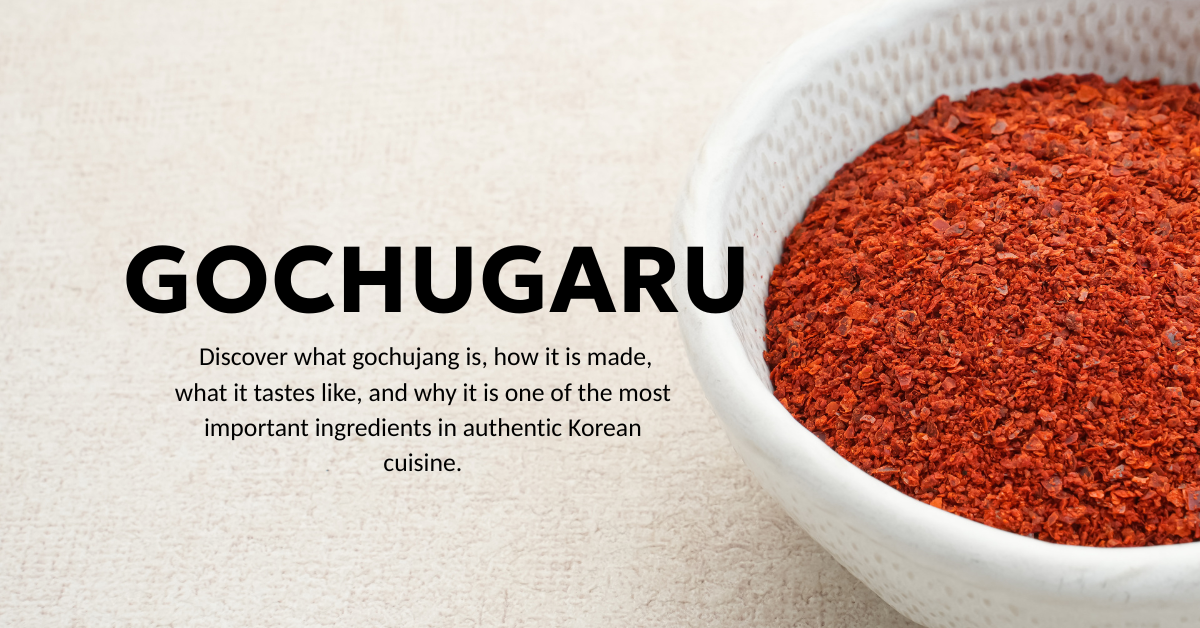
- Korean red chili flakes (gochugaru)
- Glutinous rice
- Fermented soybean powder or meju
- Salt
Some commercial varieties may also contain rice syrup, barley malt, or other natural sweeteners to create a smoother, more balanced flavor while maintaining the traditional character of the paste.
As the mixture ferments, the ingredients develop layers of sweetness, spice, saltiness, and rich umami, creating one of the most distinctive flavor profiles in Asian cuisine.
What Does Gochujang Taste Like?
One of the reasons gochujang is so highly valued is its complexity.
Its flavor can be described as:
- Moderately to intensely spicy
- Naturally sweet
- Rich in umami
- Mildly salty
- Deep and slightly earthy
- Smooth with subtle fermented notes
Rather than overwhelming a dish with heat, gochujang creates balance by combining multiple flavors into a single ingredient. This complexity makes it suitable for both traditional Korean cooking and contemporary international cuisine.
Is Gochujang Very Spicy?
The level of spiciness varies depending on the brand and recipe.
Many manufacturers offer different spice levels, ranging from mild to extra hot. If you are trying gochujang for the first time, choosing a mild or medium variety is usually the best option.
Unlike vinegar-based hot sauces, the heat of gochujang develops gradually and is balanced by its natural sweetness and savory depth, making it enjoyable even for many people who are not accustomed to extremely spicy foods.
Why Is Gochujang So Unique?
What truly sets gochujang apart is its fermentation process.
While many chili sauces are simply blended from fresh peppers and seasonings, gochujang is carefully fermented over time. This slow maturation allows complex flavors to develop naturally, resulting in a paste that delivers far more than just heat.
Its ability to add spice, sweetness, richness, and umami simultaneously makes it one of the most versatile ingredients in Korean cooking. It is this balance of flavors that has earned gochujang a place not only in traditional Korean kitchens but also in restaurants and home kitchens around the world.
Whether used in marinades, sauces, soups, or stir-fries, gochujang offers an authentic taste of Korean cuisine that is difficult to replicate with any other ingredient.
How Is Gochujang Used in Cooking?
Gochujang is one of the most versatile ingredients in Korean cuisine. Thanks to its rich flavor and smooth, thick texture, it can be used as the foundation of sauces and marinades or simply as a seasoning to add depth and complexity to a dish.
In Korea, gochujang is used daily in home cooking and restaurants alike. It appears in everything from grilled meat marinades and soups to stir-fries, noodle dishes and rice bowls.
Because it is a concentrated paste, a small amount is usually enough to transform the flavor of an entire recipe. Rather than adding only heat, gochujang creates a balanced combination of sweetness, spice and umami that enhances the overall taste of a dish.
Popular Ways to Use Gochujang
Gochujang is commonly used in:
- Korean BBQ marinades
- Bibimbap
- Tteokbokki (Korean spicy rice cakes)
- Korean Fried Chicken sauces
- Kimchi Fried Rice
- Ramen and noodle dishes
- Stir-fried vegetables
- Soups and stews
- Dipping sauces
- Salad dressings
- Spicy mayonnaise
- Rice bowls
Outside Korea, chefs also use gochujang in burgers, tacos, sandwiches, pasta sauces and other fusion recipes to introduce Korean-inspired flavors into modern cuisine.
What Foods Pair Well with Gochujang?
One of the reasons gochujang has become so popular is its versatility.
It pairs exceptionally well with:
- Chicken
- Pork
- Beef
- Shrimp
- Salmon
- Tofu
- Mushrooms
- Broccoli
- Cabbage
- Rice
- Noodles
- Garlic
- Ginger
- Sesame oil
- Honey
- Soy sauce
Its natural sweetness balances spicy flavors, while its fermented character adds richness to both meat and vegetable dishes.
How Should You Use Gochujang?
Since gochujang is highly concentrated, it is usually mixed with other ingredients rather than used on its own.
It is commonly combined with:
- Soy sauce
- Sesame oil
- Rice vinegar
- Honey
- Brown sugar
- Garlic
- Ginger
- Water or stock
These combinations create balanced marinades, dipping sauces and cooking sauces that are widely used in Korean recipes.
If you are trying gochujang for the first time, start with one teaspoon and gradually increase the amount according to your taste preferences.
How Should Gochujang Be Stored?
Once opened, gochujang should always be refrigerated.
To preserve its quality:
- Close the lid tightly after every use.
- Always use a clean spoon.
- Keep the container away from direct heat and sunlight.
- Store it according to the manufacturer's instructions.
- Proper storage helps maintain both its flavor and texture for an extended period.
How Long Does Gochujang Last?
Because it is a fermented product with a relatively high salt content, gochujang has a long shelf life.
Once opened and refrigerated, it can typically be enjoyed for many months. Always check the expiration date and follow the storage instructions provided on the packaging.
If you notice unusual discoloration, mold, or an unpleasant odor, the product should not be consumed.
How to Choose High-Quality Gochujang
With many brands available on the market, choosing the right gochujang can make a noticeable difference in your cooking.
Country of Origin
For the most authentic flavor, choose gochujang produced in South Korea. Korean manufacturers follow traditional recipes and fermentation methods that deliver the characteristic taste this ingredient is known for.
Ingredients
A quality gochujang should contain simple, recognizable ingredients, including:
- Gochugaru (Korean chili flakes)
- Glutinous rice
- Fermented soybeans
- Salt
- Some brands may also include natural sweeteners such as rice syrup to balance the flavor.
Spice Level
Many manufacturers offer several spice levels, usually ranging from mild to extra hot.
If you are new to Korean cooking, a mild or medium version is an excellent place to start before experimenting with hotter varieties.
Common Mistakes When Using Gochujang
1. Using too much
Because gochujang is highly concentrated, adding too much can overpower a dish. Start with a small amount and adjust gradually.
2. Treating it like a hot sauce
Gochujang is a fermented paste, not a ready-to-use hot sauce. It is typically mixed with other ingredients to create balanced sauces, marinades or dressings.
3. Forgetting to taste as you cook
Different brands vary in sweetness, saltiness and heat. Tasting throughout the cooking process allows you to adjust the seasoning for the best result.
4. Storing it incorrectly
Leaving gochujang unrefrigerated after opening may reduce its quality over time. Proper refrigeration helps preserve its flavor and texture.
Gochujang in Modern Cuisine
Although deeply rooted in Korean culinary tradition, gochujang has become a favorite ingredient among chefs worldwide.
Its rich, fermented flavor works beautifully in both traditional and contemporary recipes. Today, it appears in gourmet burgers, tacos, roasted vegetables, grain bowls, pasta sauces and creative barbecue glazes.
As global interest in Korean cuisine continues to grow, gochujang has become one of the essential pantry ingredients for anyone interested in authentic Asian cooking. Whether you're preparing classic Korean dishes or experimenting with modern fusion recipes, this fermented chili paste offers an exceptional balance of heat, sweetness and umami that few other ingredients can match.
Frequently Asked Questions
1. What exactly is gochujang?
Gochujang is a traditional Korean fermented chili paste made from Korean red chili flakes (gochugaru), glutinous rice, fermented soybeans, and salt. Through a slow fermentation process, these ingredients develop a rich, balanced flavor that combines sweetness, spiciness, saltiness, and umami. It is considered one of the essential ingredients in authentic Korean cuisine.
2. Is gochujang very spicy?
The level of heat depends on the brand and recipe. Most manufacturers offer different spice levels, ranging from mild to extra hot. Unlike many hot sauces, gochujang provides more than just heat—its natural sweetness and fermented depth create a balanced flavor that makes it enjoyable even for people who prefer moderately spicy foods.
3. How do you use gochujang in cooking?
Gochujang is incredibly versatile and can be used in marinades, sauces, soups, stews, stir-fries, noodle dishes, and rice bowls. It is also a key ingredient in classic Korean dishes such as Bibimbap, Tteokbokki, and Korean Fried Chicken. Beyond Korean cuisine, it works well in burgers, tacos, salad dressings, barbecue glazes, and many fusion recipes.
4. How should gochujang be stored?
After opening, gochujang should be stored in the refrigerator with the lid tightly closed. Always use a clean spoon when serving to help preserve its quality and prevent contamination. When stored correctly, it maintains its flavor and texture for a long time.
5. Is gochujang suitable for vegetarians or vegans?
In many cases, yes. Traditional gochujang is generally made from plant-based ingredients such as chili flakes, glutinous rice, fermented soybeans, and salt. However, recipes may vary between manufacturers, so it is always recommended to read the ingredient list and product labeling if you follow a vegetarian or vegan diet.
6. What is the difference between gochujang and gochugaru?
Although the names are similar, they refer to two different products. Gochugaru is Korean chili powder or chili flakes used as a spice in cooking. Gochujang is a fermented chili paste made with gochugaru along with glutinous rice, fermented soybeans, and other ingredients. While gochugaru mainly adds heat and color, gochujang provides a much deeper, sweeter, and more complex flavor.
7. Can I substitute gochujang with another hot sauce?
Not completely. While sauces such as Sriracha, sambal oelek, or chili garlic sauce can provide heat, they cannot replicate the unique balance of sweetness, fermentation, and umami that defines gochujang. If you want to prepare authentic Korean dishes, using genuine gochujang is the best choice.
Final Thoughts
Gochujang is far more than a spicy condiment—it is one of the defining ingredients of Korean cuisine. Its distinctive combination of heat, sweetness, savory richness, and fermented depth has made it a favorite among chefs and home cooks around the world.
Whether you're preparing traditional Korean recipes or experimenting with modern fusion cooking, gochujang adds a level of complexity that few other ingredients can offer. Keeping a tub of authentic Korean gochujang in your kitchen opens the door to countless flavorful meals and a deeper appreciation of Korean culinary traditions.