


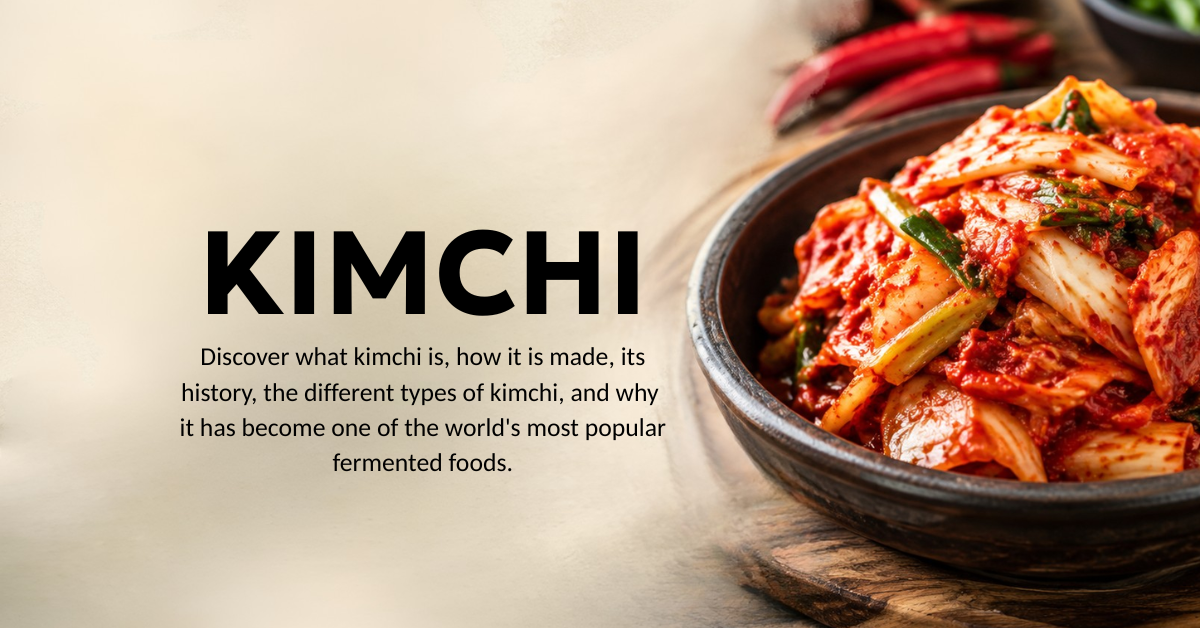
What Is Kimchi? The Complete Guide to Korea's Most Iconic Fermented Food
What Is Kimchi?
Kimchi is one of the most iconic foods in Korean cuisine and has become increasingly popular around the world. It is a traditional fermented vegetable dish made by combining fresh vegetables with salt, spices, garlic, ginger and other seasonings, allowing them to ferment naturally over time.
Although Napa cabbage is the most commonly used ingredient, kimchi can also be made with Korean radish, cucumber, spring onions and a variety of seasonal vegetables.
Its unique flavor is a combination of spicy, tangy, savory and mildly sweet notes. As the fermentation process continues, the taste becomes richer and more complex, making every batch slightly different.
Today, kimchi is enjoyed far beyond Korea. It has become a staple ingredient in modern Asian cuisine and is increasingly found in restaurants, specialty grocery stores and home kitchens across Europe, including Greece.
The History of Kimchi
Kimchi has a history dating back more than 2,000 years. Long before refrigeration existed, Korean families developed fermentation techniques to preserve vegetables during the harsh winter months.
Early versions of kimchi were much simpler than those we know today. They mainly consisted of salted vegetables without the characteristic red color. Chili peppers were introduced to Korea centuries later, transforming kimchi into the spicy dish that has become famous worldwide.
Over time, every region of Korea developed its own recipes, ingredients and preparation methods. As a result, there are now hundreds of different kimchi varieties, each reflecting local traditions and seasonal ingredients.
One of Korea's most cherished traditions is Kimjang, the annual preparation of large quantities of kimchi for the winter. Families and communities gather to prepare and share kimchi, preserving both food and cultural heritage. In recognition of its cultural importance, Kimjang has been inscribed on UNESCO's Representative List of the Intangible Cultural Heritage of Humanity.
How Is Kimchi Made?
Kimchi is produced through a natural fermentation process.
The vegetables are first salted to remove excess moisture while maintaining their crisp texture. They are then mixed with a flavorful seasoning paste that commonly includes:
- Garlic
- Fresh ginger
- Korean red chili flakes (gochugaru)
- Spring onions
- Korean radish
- Fish sauce or fermented shrimp paste (in many traditional recipes)
Once mixed, the vegetables are stored in sealed containers where naturally occurring beneficial bacteria begin the fermentation process. During fermentation, natural sugars are converted into organic acids, creating kimchi's signature tangy flavor while gradually developing greater depth and complexity.
The fermentation period varies depending on temperature and personal preference. Fresh kimchi has a milder, crisp taste, while fully fermented kimchi develops a stronger, richer and more pronounced flavor.
Which Vegetables Are Used?
Although there are hundreds of kimchi varieties, the most common vegetables include:
- Napa cabbage
- Korean radish (Daikon)
- Cucumbers
- Spring onions
- Mustard greens
- Various seasonal vegetables
Among these, Napa cabbage kimchi is by far the best known and the most widely consumed around the world.
- The Most Popular Types of Kimchi
Baechu Kimchi
- Baechu Kimchi is the classic version made with Napa cabbage. It is the most widely available variety and the one most people associate with traditional Korean cuisine.
Kkakdugi
- Kkakdugi is made from cubed Korean radish. Its crunchy texture and refreshing taste make it an excellent side dish for soups, grilled meats and hearty Korean meals.
Oi Kimchi
- Oi Kimchi is prepared with cucumbers and is especially popular during the warmer months. It has a lighter, fresher flavor than cabbage kimchi and is often served as a refreshing side dish.
Baek Kimchi (White Kimchi)
- Unlike traditional kimchi, Baek Kimchi contains no chili peppers. It offers a milder, slightly sweet and refreshing flavor, making it an excellent choice for those who prefer less spicy foods or are trying kimchi for the first time.
What Does Kimchi Taste Like?
Kimchi offers one of the most distinctive flavor profiles in Asian cuisine.
Its taste combines:
- Bright acidity from natural fermentation
- Moderate to intense spiciness
- Savory umami richness
- Fresh garlic aroma
- Mild sweetness
- Crisp vegetable texture
The exact flavor depends on both the recipe and the fermentation time. Fresh kimchi is crunchy, vibrant and relatively mild, while aged kimchi becomes more acidic, deeper in flavor and particularly suitable for cooking.
Is Kimchi Healthy?
- Kimchi is widely appreciated as a nutrient-rich food because it is primarily made from vegetables and undergoes natural fermentation.
- It provides dietary fiber along with vitamins and minerals naturally found in ingredients such as cabbage, radish and fresh vegetables.
- Because kimchi is prepared with salt, it should be enjoyed as part of a balanced diet, particularly by individuals who are monitoring their sodium intake.
- Beyond its nutritional value, kimchi has become popular among food enthusiasts because it combines bold flavor, culinary versatility and centuries of Korean culinary tradition in a single ingredient.
How Is Kimchi Used in Cooking?
Kimchi is an extremely versatile ingredient and can be enjoyed both raw and cooked. In Korea, it is served with almost every meal, often acting as both a side dish and a key ingredient in many traditional recipes.
For those trying kimchi for the first time, it can be served simply alongside steamed rice, grilled meats, or noodles. Its bold, tangy and spicy flavor adds contrast and depth to otherwise mild dishes.
Popular ways to use kimchi
Kimchi is commonly used in:
- Kimchi fried rice (Kimchi Bokkeumbap)
- Ramen and noodle dishes
- Stir-fried vegetables
- Omelets and scrambled eggs
- Sandwiches and burgers
- Dumplings
- Bibimbap
- Kimchi pancakes (Kimchi Jeon)
- Soups and stews
As kimchi ages, its flavor becomes stronger and more acidic, making it especially suitable for cooked dishes where its complexity can fully develop.
What Foods Does Kimchi Pair Well With?
Kimchi pairs well with a wide variety of ingredients, both Asian and non-Asian.
Some of the most common combinations include:
- Steamed white rice or jasmine rice
- Noodles and ramen
- Tofu
- Eggs
- Beef, pork and chicken
- Mushrooms
- Seafood
- Stir-fried vegetables
It can also be used creatively in Western-style dishes such as burgers, tacos or grilled cheese sandwiches, adding a bold fermented kick.
Is Kimchi Very Spicy?
The level of spiciness depends on the type of kimchi.
Traditional kimchi recipes tend to be moderately to highly spicy due to the use of Korean red chili flakes (gochugaru). However, milder versions also exist, such as Baek Kimchi (White Kimchi), which contains no chili peppers at all.
If you are new to spicy foods, it is recommended to start with small portions or choose a mild variety before gradually exploring stronger flavors.
How Should Kimchi Be Stored?
Kimchi should always be stored in the refrigerator after opening.
To maintain its quality:
- Keep it submerged in its own fermentation liquid
- Use a clean utensil each time
- Seal the container tightly after use
Fermentation continues even after packaging, which means kimchi naturally evolves over time. Its flavor will gradually become more sour and intense, which is a normal part of the process rather than a sign of spoilage.
How Long Does Kimchi Last?
The shelf life of kimchi depends on several factors, including:
- The production method
- Storage conditions
- Packaging type
- Temperature
When properly refrigerated, kimchi can last for several weeks or even months after opening. Over time, its flavor profile changes, often becoming more suitable for cooking rather than fresh consumption.
How to Choose High-Quality Kimchi
When selecting kimchi, it is worth paying attention to a few key factors.
- Ingredients
High-quality kimchi is typically made with simple, natural ingredients such as:
- Napa cabbage
- Korean chili flakes (gochugaru)
- Garlic
- Ginger
- Spring onions
A shorter and more natural ingredient list is often a good indicator of quality.
- Country of origin
For an authentic taste, kimchi produced in Korea is generally preferred, as it follows traditional fermentation methods and flavor profiles.
- Spice level
Kimchi can range from mild to very spicy depending on the recipe. Beginners may prefer milder versions before moving on to more traditional, spicier varieties.
Common Mistakes When Eating Kimchi
1. Eating too much at once
Kimchi has a strong flavor profile, so even small portions are usually enough to enhance a dish.
2. Leaving it unrefrigerated
Once opened, kimchi should always be kept in the refrigerator to maintain freshness and slow down fermentation.
3. Using dirty utensils
Using clean utensils is important to prevent contamination and preserve quality.
4. Discarding it when it becomes sour
As kimchi ferments, it naturally becomes more sour. This is not spoilage. In fact, many Koreans prefer aged kimchi for cooking soups, stews and fried rice.
Kimchi in Modern Cuisine
In recent years, kimchi has moved beyond traditional Korean cooking and has become a global ingredient used in creative modern dishes.
Chefs around the world now incorporate kimchi into gourmet burgers, tacos, pizzas, pasta dishes and fusion cuisine. Its fermented complexity adds depth, acidity and umami, making it a favorite among both professional chefs and home cooks.
Its growing popularity in countries like Greece reflects a broader global trend toward fermented foods and international flavors in everyday cooking.
Frequently Asked Questions
1. What exactly is kimchi?
Kimchi is a traditional Korean fermented food made primarily from vegetables such as Napa cabbage or radish. It is seasoned with ingredients like garlic, ginger, chili flakes (gochugaru), and salt, and then left to ferment naturally. The result is a flavorful dish that combines spicy, sour, salty, and umami notes.
2. Is kimchi always spicy?
No. While many traditional kimchi recipes are spicy due to the use of Korean red chili flakes, there are also mild versions. The most well-known non-spicy variety is Baek Kimchi (White Kimchi), which contains no chili peppers and has a lighter, more refreshing taste.
3. How do you eat kimchi?
Kimchi can be eaten straight from the jar as a side dish or used as an ingredient in cooking. It pairs well with rice, noodles, ramen, grilled meats, eggs, tofu, and vegetables. It is also commonly used in dishes such as fried rice, soups, stews, and pancakes.
4. How should kimchi be stored?
Once opened, kimchi should be kept in the refrigerator in a tightly sealed container. It is important to keep it submerged in its fermentation liquid and to use clean utensils when serving to maintain freshness and prevent contamination.
5. Why does kimchi become more sour over time?
Kimchi continues to ferment even after packaging. During this process, natural bacteria convert sugars into acids, which gradually increases its sourness. This is a normal part of fermentation and not a sign that the product has gone bad, as long as it has been stored properly.
6. Is kimchi suitable for vegetarians or vegans?
It depends on the recipe. Traditional kimchi often contains fish sauce or fermented shrimp paste, which makes it unsuitable for vegetarians and vegans. However, there are plant-based versions available that use only vegetable ingredients.
7. What is the difference between kimchi and sauerkraut?
Although both are fermented vegetable dishes, they are quite different. Sauerkraut is typically made only from cabbage and salt, resulting in a milder, simpler flavor. Kimchi, on the other hand, includes a wide range of seasonings such as garlic, ginger, chili, and fermented seafood, giving it a much more complex and bold flavor profile.
Final Note
Kimchi is more than just a food—it is a cultural symbol of Korea and one of the most important fermented foods in global cuisine. Its unique taste, nutritional value, and versatility have made it popular worldwide.
Whether enjoyed as a side dish or used in creative recipes, kimchi continues to inspire chefs and food lovers across the world, becoming a key ingredient in modern international cooking.