What Is Soy Sauce? The Complete Guide to Asia's Most Popular Seasoning
What Is Soy Sauce?
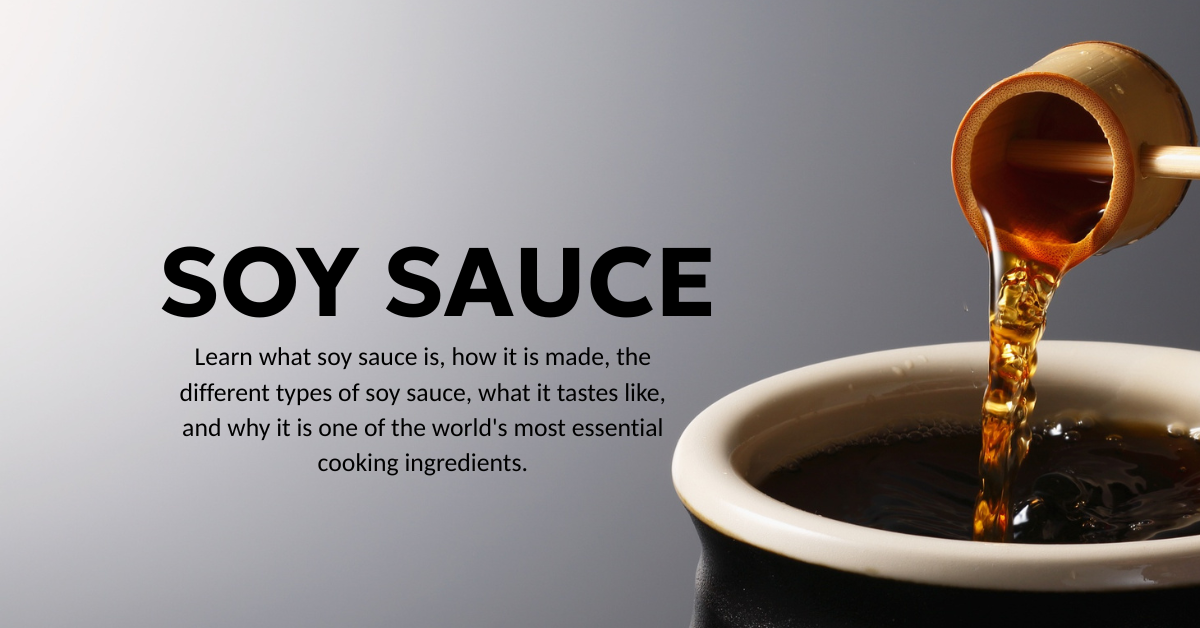
Soy sauce is a traditional fermented seasoning made from soybeans, wheat, water, salt, and a fermentation culture known as koji. It has been an essential ingredient in Asian cuisine for centuries and is widely recognized as one of the world's most versatile condiments.
Known for its deep savory flavor, soy sauce enhances food by adding umami, balancing sweetness, and bringing complexity to both simple and sophisticated recipes. It is used during cooking, in marinades and sauces, and as a finishing seasoning served alongside many dishes.
Today, soy sauce is a staple ingredient not only in Chinese, Japanese, and Korean cuisine but also in countless international recipes. From stir-fries and noodle dishes to grilled meats, seafood, vegetables, and salad dressings, its ability to elevate flavor has made it a pantry essential around the globe.

The History of Soy Sauce
The origins of soy sauce date back more than 2,000 years to ancient China, where early fermentation techniques were developed to preserve food and enhance its flavor.
Over time, soy sauce spread throughout East Asia, with each country adapting the recipe to its own culinary traditions. In Japan, it evolved into shoyu, while Korea developed its own distinctive fermented soy sauces. These regional variations continue to play an important role in their respective cuisines today.
Traditional soy sauce production relied on natural fermentation in wooden barrels or ceramic vessels, where the mixture matured slowly over many months. Although modern production methods have become more advanced, many premium producers still use long fermentation periods to achieve the complex flavor and aroma associated with high-quality soy sauce.
Today, naturally brewed soy sauce is appreciated worldwide for its depth, balance, and remarkable versatility.
How Is Soy Sauce Made?
Authentic soy sauce is produced through a carefully controlled fermentation process.
The traditional ingredients are:
- Soybeans
- Wheat
- Water
- Salt
- Koji (Aspergillus oryzae)
The soybeans are cooked until tender, while the wheat is roasted and crushed. These ingredients are then inoculated with koji, which begins the fermentation process.
Next, the mixture is combined with a saltwater brine to create what is known as moromi, the fermenting mash. Over several months, naturally occurring enzymes break down proteins and starches into amino acids and sugars, creating soy sauce's signature umami flavor and rich aroma.
After fermentation is complete, the mash is pressed to extract the liquid, which is then filtered and pasteurized before bottling.
This slow brewing process is what gives naturally fermented soy sauce its distinctive depth and complexity.
What Does Soy Sauce Taste Like?
Soy sauce has one of the most recognizable flavor profiles in the culinary world.
Its taste is typically described as:
- Rich in umami
- Savory
- Moderately salty
- Slightly sweet
- Mildly earthy
- Complex and well-balanced
The exact flavor depends on the type of soy sauce, its ingredients, and the length of fermentation.
Naturally brewed soy sauce develops subtle aromatic notes that cannot be replicated by chemically produced alternatives, making it the preferred choice for both professional chefs and home cooks.
Why Is Soy Sauce So Important in Asian Cuisine?
Few ingredients have influenced Asian cooking as much as soy sauce.
It serves as a universal seasoning across countless regional cuisines, enhancing everything from soups and stir-fries to noodles, rice dishes, marinades, dipping sauces, and braised recipes.
Rather than simply making food saltier, soy sauce adds layers of savory complexity while highlighting the natural flavors of other ingredients. This ability to create balance is one of the reasons it has remained indispensable for centuries.
Whether used in Chinese stir-fries, Japanese sushi, Korean barbecue, or Southeast Asian noodle dishes, soy sauce continues to be one of the defining ingredients of Asian gastronomy.
Are All Soy Sauces the Same?
Not at all.
Although all soy sauces are based on fermented soybeans, they vary considerably in flavor, color, texture, ingredients, and intended use.
Factors such as the country of origin, the ratio of soybeans to wheat, the fermentation period, and the production method all influence the final product.
For example, Japanese shoyu is generally smoother and more balanced, Chinese light soy sauce is prized for seasoning everyday dishes, dark soy sauce is commonly used to add color and richness, while tamari offers a deeper flavor and is often chosen by people looking for wheat-free or gluten-free options (depending on the product).
Understanding these differences makes it much easier to select the right soy sauce for each recipe.
Is Soy Sauce Healthy?
Soy sauce is made through a traditional fermentation process using simple ingredients such as soybeans, wheat, water, salt, and koji.
It naturally contains amino acids produced during fermentation, which contribute to its characteristic umami flavor.
Because soy sauce is relatively high in sodium, it is generally used in moderation as a seasoning rather than as a primary ingredient.
Its worldwide popularity comes not only from its rich taste but also from its versatility, making it one of the most widely used fermented seasonings in both home kitchens and professional restaurants.
Types of Soy Sauce, How to Use It, Storage and Buying Guide
Soy sauce is one of the most versatile ingredients in Asian cooking. However, not all soy sauces are the same. Different varieties have different colors, flavors, salt levels, and consistencies, making them suitable for different dishes.
In this part, we explore the main types of soy sauce, how to use them in everyday cooking, how to store them properly, and what to look for when choosing the right product.
What Are the Different Types of Soy Sauce?
Soy sauce is produced in several varieties across Asia. Japanese, Chinese, Korean, and other regional versions can differ significantly in flavor, color, and production methods.
Here are some of the most common types.
1. Japanese Soy Sauce (Shoyu)
Japanese soy sauce, known as shoyu, is traditionally made from soybeans, wheat, salt, and water. It is fermented and has a balanced flavor that combines saltiness, mild sweetness, and umami.
The most common variety is Koikuchi shoyu, a dark soy sauce widely used in Japanese cooking.
It is suitable for:
- Sushi and sashimi.
- Stir-fries and noodle dishes.
- Marinades for meat, fish, and vegetables.
- Dipping sauces and dressings.
Japanese soy sauce is a versatile everyday ingredient and a good starting point for anyone exploring Asian cuisine.
2. Chinese Light Soy Sauce
Chinese light soy sauce is a thin, relatively light-colored sauce with a salty, savory flavor.
Despite its name, it is not necessarily low in sodium. The word "light" refers mainly to its color and style, rather than its salt content.
It is commonly used to season dishes without adding too much color.
Ideal for:
- Stir-fried vegetables.
- Fried rice.
- Noodles.
- Marinades.
- Soups and sauces.
3. Chinese Dark Soy Sauce
Chinese dark soy sauce is darker, thicker, and often slightly sweeter than light soy sauce. It is commonly used to add a deep brown color and a richer appearance to food.
It is particularly popular in slow-cooked dishes and recipes where color is important.
It works well in:
- Braised meat dishes.
- Fried noodles.
- Meat marinades.
- Stews and sauces.
- Traditional Chinese rice dishes.
Dark soy sauce is generally used in smaller quantities than light soy sauce because of its stronger color and flavor.
4. Tamari Soy Sauce
Tamari is a Japanese soy sauce traditionally made with little or no wheat. It is often darker and has a rich, full-bodied flavor.
Many tamari products are suitable for people avoiding gluten, but this is not guaranteed. Always look for an explicit gluten-free declaration on the packaging if gluten avoidance is important.
Tamari is ideal for:
- Sushi and sashimi.
- Dipping sauces.
- Marinades.
- Stir-fries.
- Gluten-free recipes, when a certified gluten-free product is selected.
Its rich flavor makes it a popular alternative to conventional soy sauce.
5. Japanese Usukuchi Soy Sauce
Usukuchi is a light-colored Japanese soy sauce, traditionally used in the Kansai region.
Although it has a lighter color than regular Japanese soy sauce, it is often saltier. Its purpose is to season food while preserving the natural colors of the other ingredients.
It is particularly suitable for:
- Clear soups.
- Vegetable dishes.
- Light broths.
- Simmered Japanese recipes.
- Dishes where a darker sauce would change the appearance.
Remember that lighter color does not mean lower salt content.
6. Sweet Soy Sauce (Kecap Manis)
Kecap manis is a popular Indonesian sweet soy sauce. It is thick, dark, and has a distinctive sweet flavor, usually made with soy sauce and palm sugar.
Unlike regular soy sauce, it has a syrup-like consistency and is often used as both a seasoning and a finishing sauce.
It is commonly used in:
- Indonesian fried rice (nasi goreng).
- Fried noodles.
- Grilled meat and chicken.
- Marinades.
- Dipping sauces.
Kecap manis is a great choice when you want to add sweetness, richness, and a deep color to a dish.
7. Korean Soy Sauce (Ganjang)
Korean soy sauce, known as ganjang, is an important ingredient in Korean cuisine.
There are different varieties, including traditional Korean soy sauce made through the fermentation of meju (fermented soybean blocks), as well as modern brewed versions.
Some types are designed mainly for soups, while others are used for general seasoning.
Korean soy sauce is commonly used in:
- Korean soups and stews.
- Marinades for meat.
- Vegetable side dishes (banchan).
- Dipping sauces.
- Noodle and rice dishes.
When buying Korean soy sauce, check the product description, as different varieties are intended for different cooking purposes.
What Is the Difference Between Light and Dark Soy Sauce?
One of the most common questions about soy sauce is the difference between light and dark varieties.
Although both are used in Asian cooking, they serve different purposes.
If a recipe calls for light soy sauce, using dark soy sauce may make the dish too dark and change its flavor. Similarly, replacing dark soy sauce with light soy sauce may not provide the same deep color.
For the best results, use the variety specified in the recipe.
How to Use Soy Sauce in Cooking
Soy sauce is a versatile seasoning that can be used in many different ways. It adds saltiness, depth, and umami to food, making it suitable for both traditional Asian recipes and everyday cooking.
Here are some popular ways to use it.
1. In Stir-Fries
Soy sauce is a key ingredient in many Asian stir-fry recipes.
Add it to vegetables, meat, seafood, or tofu while cooking to give the ingredients a savory flavor.
It works particularly well with garlic, ginger, sesame oil, spring onions, and chili.
2. In Marinades
Soy sauce is an excellent base for marinades because it adds flavor and helps season ingredients evenly.
You can combine it with:
- Garlic.
- Ginger.
- Honey or sugar.
- Rice vinegar.
- Sesame oil.
- Chili or other spices.
- Use it to marinate chicken, beef, pork, fish, seafood, or tofu.
3. In Fried Rice and Noodles
A small amount of soy sauce can transform simple rice and noodle dishes.
Add it during cooking and mix well so that the seasoning is distributed evenly.
Chinese light soy sauce is commonly used for seasoning, while dark soy sauce can add a deeper color to fried rice and noodles.
4. In Soups and Broths
Soy sauce can add depth and umami to soups, broths, and noodle dishes.
It is often used in Japanese ramen preparations, Chinese soups, and Korean stews.
Add it gradually and taste as you go, especially if the broth already contains salty ingredients.
5. As a Dipping Sauce
Soy sauce is often served as a dipping sauce alongside sushi, dumplings, spring rolls, and other Asian dishes.
You can use it on its own or combine it with:
- Rice vinegar.
- Sesame oil.
- Chili oil.
- Fresh ginger.
- Garlic.
- Spring onions.
For sushi, a small amount of Japanese soy sauce is usually enough to complement the fish and rice without overpowering their flavor.
6. In Salad Dressings and Sauces
Soy sauce can also be used in cold dishes and homemade dressings.
Combine it with rice vinegar, sesame oil, citrus juice, honey, or ginger to create a flavorful dressing for salads, vegetables, and noodle bowls.
It is also a useful ingredient in homemade teriyaki-style sauces and other Asian-inspired condiments.
What Does Soy Sauce Pair Well With?
Soy sauce works with a wide range of ingredients and can be used in both vegetarian and non-vegetarian dishes.
Some particularly good combinations include:
- Rice: Adds savory flavor to steamed rice, fried rice, and rice bowls.
- Noodles: Works well with wheat noodles, egg noodles, and rice noodles.
- Vegetables: Complements broccoli, mushrooms, carrots, cabbage, and green beans.
- Meat: Adds depth to chicken, beef, pork, and other meat marinades.
- Fish and Seafood: Pairs well with salmon, tuna, prawns, and other seafood.
- Tofu: Enhances the flavor of tofu in stir-fries, marinades, and grilled dishes.
- Eggs: Can be used in marinades for boiled eggs or as a seasoning for egg dishes.
Its savory umami flavor makes it easy to combine with many ingredients, which is why it is found in so many Asian recipes.
How to Choose the Right Soy Sauce
With so many varieties available, choosing the right soy sauce can seem confusing.
The best option depends on the type of food you want to prepare and the flavor you want to achieve.
Here are some useful points to consider when shopping.
1. Think About the Recipe
Different soy sauces are designed for different purposes.
- For everyday Japanese cooking, choose Japanese shoyu.
- For Chinese stir-fries and general seasoning, choose light soy sauce.
- For deep color in braised dishes, choose dark soy sauce.
- For a naturally rich flavor with little or no wheat, consider tamari.
- For Indonesian dishes and sweet marinades, choose kecap manis.
- For Korean recipes, choose the appropriate type of ganjang.
2. Check the Ingredients
Traditional soy sauce is generally made from soybeans, wheat, salt, and water, although ingredients vary between products and production methods.
Some products may also contain sugar, alcohol, preservatives, or other ingredients.
If you have specific dietary requirements, check the ingredients and product information carefully.
3. Consider the Sodium Content
Soy sauce is naturally high in sodium, so it is worth checking the nutritional information when choosing a product.
Some brands also offer reduced-sodium versions.
These can be useful if you want to reduce your sodium intake while still enjoying the flavor of soy sauce.
4. Choose According to Your Taste
Soy sauces can vary in saltiness, sweetness, color, and intensity.
If you are new to Asian cooking, a regular Japanese soy sauce or Chinese light soy sauce is a practical starting point.
As you become more familiar with different recipes, you can explore darker, sweeter, and more specialized varieties.
How to Store Soy Sauce Properly
- Proper storage helps preserve the flavor and quality of soy sauce.
- Before opening, keep the bottle in a cool, dry place away from direct sunlight and heat.
- After opening, follow the storage instructions on the packaging. Refrigeration is generally recommended, particularly if you want to maintain the sauce's flavor and aroma for longer.
Here are a few useful storage tips:
- Keep the bottle tightly closed after each use.
- Store it away from direct sunlight and heat.
- Avoid introducing food particles or other contaminants into the bottle.
- Refrigerate after opening when recommended by the manufacturer.
- Follow the best-before date and any storage instructions provided.
Over time, soy sauce can gradually lose some of its aroma and flavor, especially if it is exposed to air, heat, and light.
Common Mistakes When Using Soy Sauce
Soy sauce is easy to use, but a few common mistakes can affect the flavor of your food.
1. Using Too Much Soy Sauce
Soy sauce is concentrated and can easily make a dish too salty.
Solution: Start with a small amount, taste the food, and add more if necessary.
2. Using the Wrong Type of Soy Sauce
Light, dark, sweet, and Japanese soy sauces have different characteristics.
Solution: Choose the variety recommended in the recipe, especially when preparing traditional Asian dishes.
3. Confusing Light Soy Sauce with Low-Sodium Soy Sauce
Light soy sauce usually refers to its color and style, not its sodium content.
Solution: If you want a product with less salt, look specifically for a reduced-sodium or low-sodium version.
4. Adding Soy Sauce Too Early or Too Late
The ideal time to add soy sauce depends on the recipe. In stir-fries, adding it during cooking helps distribute the flavor, while some sauces are added towards the end.
Solution: Follow the recipe instructions and avoid adding large quantities all at once.
5. Storing Soy Sauce Incorrectly
Leaving an opened bottle exposed to heat, sunlight, or air can gradually affect its quality.
Solution: Close the bottle properly after use and follow the manufacturer's storage recommendations.
6. Forgetting That Soy Sauce Contains Wheat
Many traditional soy sauces contain wheat, which makes them unsuitable for people who need to avoid gluten.
Solution: If you need a gluten-free option, choose a product explicitly labelled gluten-free. Not every tamari product is automatically gluten-free.
Soy Sauce in Modern Cuisine
Although soy sauce has deep roots in Asian culinary traditions, it has become a popular ingredient in kitchens around the world.
Today, it is used in everything from traditional Japanese sushi and Chinese stir-fries to fusion dishes, burgers, marinades, salad dressings, and homemade sauces.
Its versatility comes from its distinctive umami flavor, which adds depth to ingredients without requiring complicated preparation.
Whether you are cooking a traditional Asian recipe or experimenting with new flavor combinations, having the right type of soy sauce in your kitchen can make a noticeable difference to your dishes.
Frequently Asked Questions About Soy Sauce
Soy sauce is a staple ingredient in many Asian kitchens, but there are still plenty of questions about its ingredients, flavor, different varieties, and uses. Below, we answer seven common questions to help you understand soy sauce better and use it with confidence in your cooking.
Frequently Asked Questions About Soy Sauce
1. What Is Soy Sauce Made Of?
Traditional soy sauce is made from four main ingredients: soybeans, wheat, salt, and water.
The soybeans and wheat are fermented with the help of microorganisms, which break down proteins and carbohydrates and develop the sauce's characteristic savory flavor.
The mixture is then combined with salt water, fermented, pressed, and processed to produce the final sauce.
However, ingredients and production methods can vary depending on the country, brand, and type of soy sauce. Some varieties may also contain sugar, alcohol, or other ingredients.
2. Does Soy Sauce Contain Gluten?
Many traditional soy sauces contain wheat, which means they are not suitable for people who need to avoid gluten.
However, there are alternatives available.
Tamari is a Japanese soy sauce traditionally made with little or no wheat. Some tamari products are gluten-free, but this is not guaranteed for every brand.
If you need to avoid gluten, always choose a product explicitly labelled gluten-free and check its ingredient and allergen information.
3. What Is the Difference Between Soy Sauce and Tamari?
Soy sauce and tamari are closely related, but they differ in their traditional production methods and ingredients.
Regular soy sauce is commonly made using soybeans and wheat, while traditional Japanese tamari is produced with little or no wheat and has a richer, fuller flavor.
Tamari is often darker and slightly less sharp in taste, although the exact characteristics vary between brands.
Both can be used in stir-fries, marinades, dipping sauces, and other Asian recipes. Tamari is also a popular alternative for people looking for gluten-free soy sauce, provided the product is specifically labelled gluten-free.
4. Is Soy Sauce Vegetarian or Vegan?
Most traditional soy sauces are suitable for both vegetarian and vegan diets.
Their main ingredients are soybeans, wheat, salt, and water, which are plant-based.
However, some specialty sauces and soy sauce-based condiments may contain additional ingredients of animal origin.
If you follow a vegetarian or vegan diet, check the product ingredients and look for an appropriate certification when necessary.
5. Does Soy Sauce Need to Be Refrigerated After Opening?
Refrigeration is generally recommended after opening, especially if you want to preserve the sauce's flavor and aroma for longer.
Although soy sauce contains salt, which helps protect it from spoilage, exposure to air, heat, and light can gradually affect its quality.
Keep the bottle tightly closed and follow the storage instructions provided by the manufacturer.
6. Can You Use Soy Sauce Instead of Salt?
Yes, soy sauce can be used as an alternative seasoning to add saltiness to food.
However, it is not a direct one-to-one replacement for salt. Soy sauce contains water and other flavor compounds, so it also adds color, aroma, and umami to a dish.
It works particularly well in soups, stir-fries, marinades, rice dishes, and sauces.
If you are replacing salt with soy sauce, start with a small amount and adjust the seasoning gradually. Remember that regular soy sauce is naturally high in sodium.
7. What Is the Best Soy Sauce for Cooking?
The best soy sauce depends on the recipe and the flavor you want to achieve.
Here is a simple guide:
- Japanese soy sauce (Shoyu): A versatile choice for sushi, noodles, marinades, and everyday Japanese cooking.
- Chinese light soy sauce: Ideal for stir-fries, fried rice, soups, and general seasoning.
- Chinese dark soy sauce: Best for adding deep color and richness to braised dishes, sauces, and noodles.
- Tamari: A rich-flavored alternative for dipping sauces, marinades, and stir-fries. Choose a gluten-free version if needed.
- Sweet soy sauce (Kecap Manis): Perfect for Indonesian recipes, fried rice, grilled meat, and sweet marinades.
- Korean soy sauce (Ganjang): Commonly used in Korean soups, stews, marinades, and side dishes.
If you are just starting to explore Asian cooking, regular Japanese soy sauce or Chinese light soy sauce is a good choice for everyday use.
Final Thoughts: Why Soy Sauce Is an Essential Ingredient in Asian Cooking
Soy sauce is much more than a simple seasoning. Its distinctive salty, savory, and umami flavor makes it one of the most important ingredients in Asian cuisine.
From Japanese sushi and Chinese stir-fries to Korean marinades and Indonesian fried rice, different varieties of soy sauce bring their own character to each dish.
Understanding the differences between light, dark, Japanese, Korean, and sweet soy sauces will help you choose the right product for every recipe.
Whether you are preparing a traditional Asian meal or experimenting with new combinations in your kitchen, soy sauce is a versatile ingredient that can add depth and flavor to countless dishes.
With the right variety and the right amount, even a simple recipe can become something special.